California Drivers To Face More Sticker Shock at Gas Pumps as Refiners Flee State
Gas prices could jump $1.21 a gallon next year as two refineries end operations.
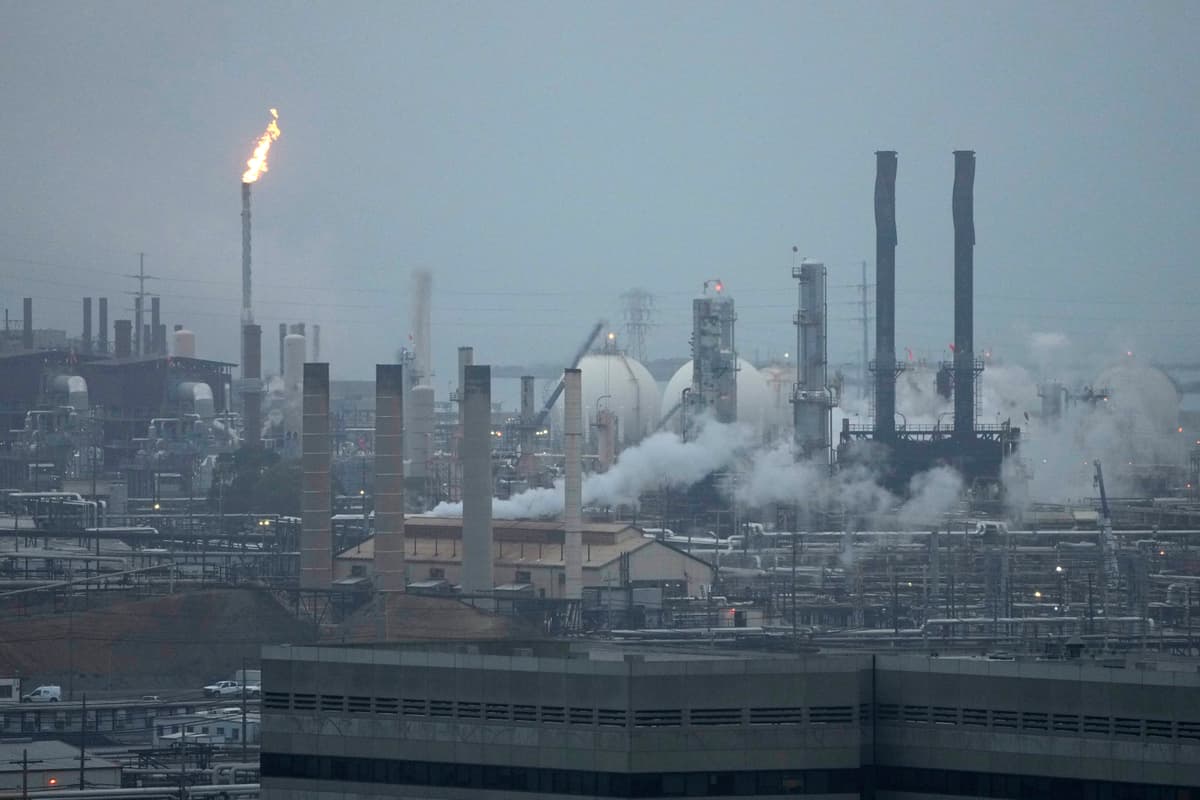

California drivers — who already pay some of the highest gas prices in the country — could see prices spike 40 percent next year as two refineries in the state close.
Refiners are walking away in the face of crushing state regulations and growing losses. The latest rules were signed into law last year by Governor Gavin Newsom under the guise of preventing price spikes.
Phillips 66 is closing its Los Angeles refinery by the end of this year — citing an uncertain “long-term sustainability” of the refinery and “market dynamics.” One of the last rounds of layoffs was reportedly slated to take place on Monday.
The plant accounts for 8.3 percent of all of the gasoline sold in the state. The company said it hopes to maintain current supply levels by using sources inside and outside its refining network but didn’t elaborate on the sources of that fuel.
Phillips isn’t the only company pulling back in the state. Valero Energy is closing its San Francisco-area Benicia refinery by next April, also blaming a tough regulatory environment and escalating costs. Valero is taking a $1.1 billion writedown because of the facility’s closure.
Benicia supplies 8.6 of the total refining capacity in the state. That means nearly 20 percent of the current refinery capacity in the state will disappear by next summer.
California requires a special blend of low-polluting gas that isn’t used in the rest of the country and is produced at fewer than ten refineries in the state. State regulators claim the remaining refineries still produce enough fuel to supply California’s current needs, but critics are skeptical.
“We have an energy crisis in our state and it looks like it is only going to intensify,” Congressman Vince Fong says.
Drivers in the state pay an average of $1.50 a gallon more than the rest of the country, and economists at the University of California Davis say prices could rise by $1.21 a gallon by next August if no further significant changes happen in the California market.
“One way to potentially avoid this price increase could be to change regulatory constraints in California, which would allow more imports,” co-author of the report, Armando R. Colina, said in a release.
Another concern, according to Mr. Fong, is the impact on the military. He says the refineries also make jet fuel and diesel for 30 military bases in California. Those fuels are also exported to bases in Nevada and Arizona.
State Assemblyman Stan Ellis says the supply of military jet fuel imported from India will jump to 40 percent after the two California refineries close. India currently buys nearly half of its oil from Russia, and Mr. Ellis warns that if the supply from India is cut off it would be “catastrophic.”

