Four EU Countries Pledge to Boycott Eurovision Song Contest After Vote Allowing Israel to Compete in 2026
Spain, Ireland, Netherlands, Slovenia pull out as European Broadcasting Union declines to bar Israel’s broadcaster.
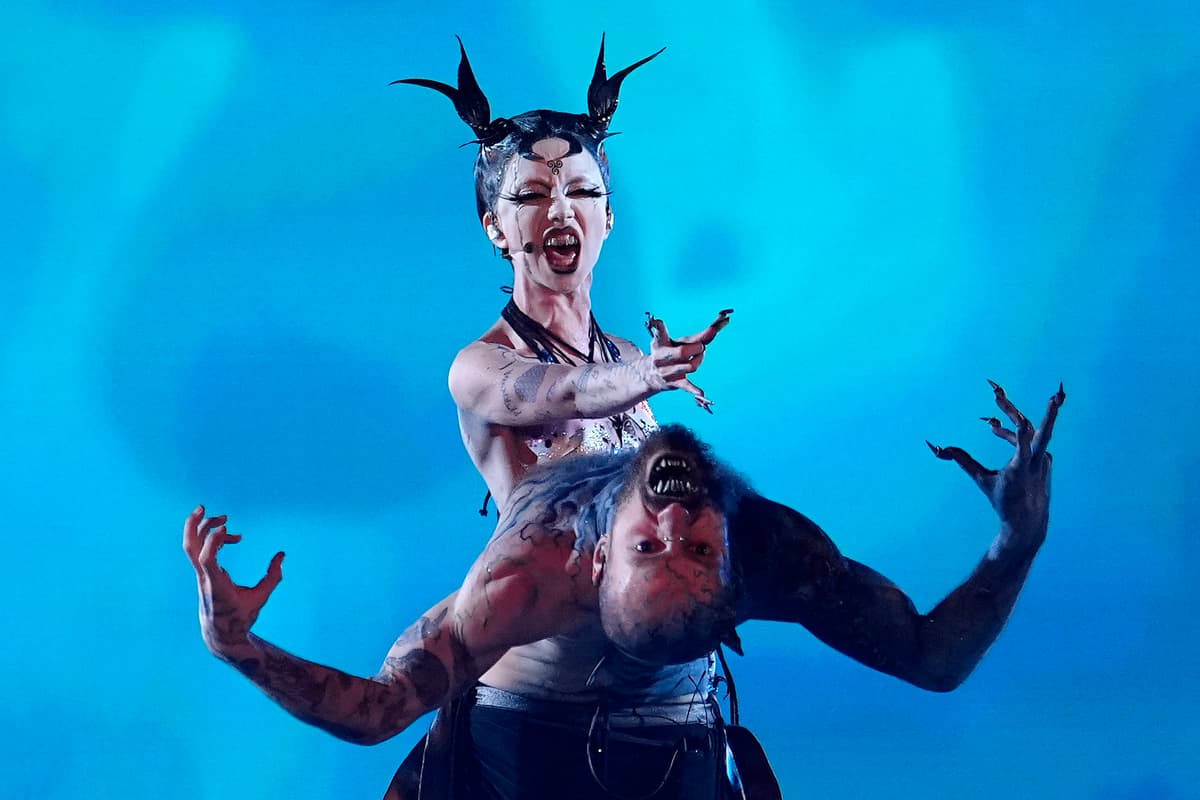

Spain, Ireland, the Netherlands, and Slovenia say they will boycott next year’s Eurovision Song Contest following the European Broadcasting Union’s decision to allow Israel to compete in the 2026 contest.
Israel’s eligibility for the upcoming contest at Vienna was debated on Thursday during a meeting of European Broadcasting Union members. The EBU, which represents public broadcasters from 56 countries, convened the session amid threats from several countries to condition their participation on Israel’s exclusion.
After the debate, the European Broadcasting Union stated that “a large majority of members” supported the reforms Eurovision established last month and “agreed that there was no need for a further vote” on Israel’s eligibility.
“This vote means that all EBU members who wish to participate in the Eurovision Song Contest 2026 and agree to comply with the new rules are eligible to take part,” the organization said.
During the assembly, broadcasters from Germany and Ukraine defended Israel’s participation, while those from Spain, Belgium, Slovenia, and Turkey pushed for its removal. Ultimately, only 11 countries supported holding a direct vote on the question.
The updated voting rules aim to limit government influence on public poll results. The reforms follow unsubstantiated allegations of interference by the Israeli government during last year’s contest, where Israel’s representative finished second after receiving an extraordinary number of public votes.
Efforts to exclude Israel from Eurovision intensified following Hamas’s October 7 attack and the ensuing war in Gaza. Yet Eurovision organizers have consistently resisted such campaigns, maintaining that the competition transcends politics.
The EBU called the emergency meeting only after boycott threats escalated. In a letter to members, the organization acknowledged that “unprecedented diversity of views” made it impossible “to reach a consensual position,” concluding the matter “merited a broader democratic basis for a decision” where “all members” could be “given a voice.”
The last time that Eurovision organizers blocked a country from participating was in 2022 when Russia was expelled following its invasion of Ukraine. Boycott advocates argue that Eurovision should take comparable action against Israel.
However, Eurovision’s governing body maintains that the situations involving Russia and Israel differ significantly. Russian broadcasters were suspended for “persistent breaches of membership obligations and the violation of public service values,” the organization has explained. By contrast, Israel’s broadcaster, KAN, operates independently of government oversight.
“The relationship between KAN and the Israeli Government is fundamentally different to the relationship that exists between those Russian Members and the State, with the Israeli Government in recent years threatening to close down the broadcaster,” the organization stated on its website’s Frequently Asked Questions page.

