Jack Smith Summoned To Face Republican Inquisition, but Did Trump Walk Right Into the Special Counsel’s Trap?
The president appears to endorse the special counsel’s desire to testify in a public hearing rather than in a closed door session.
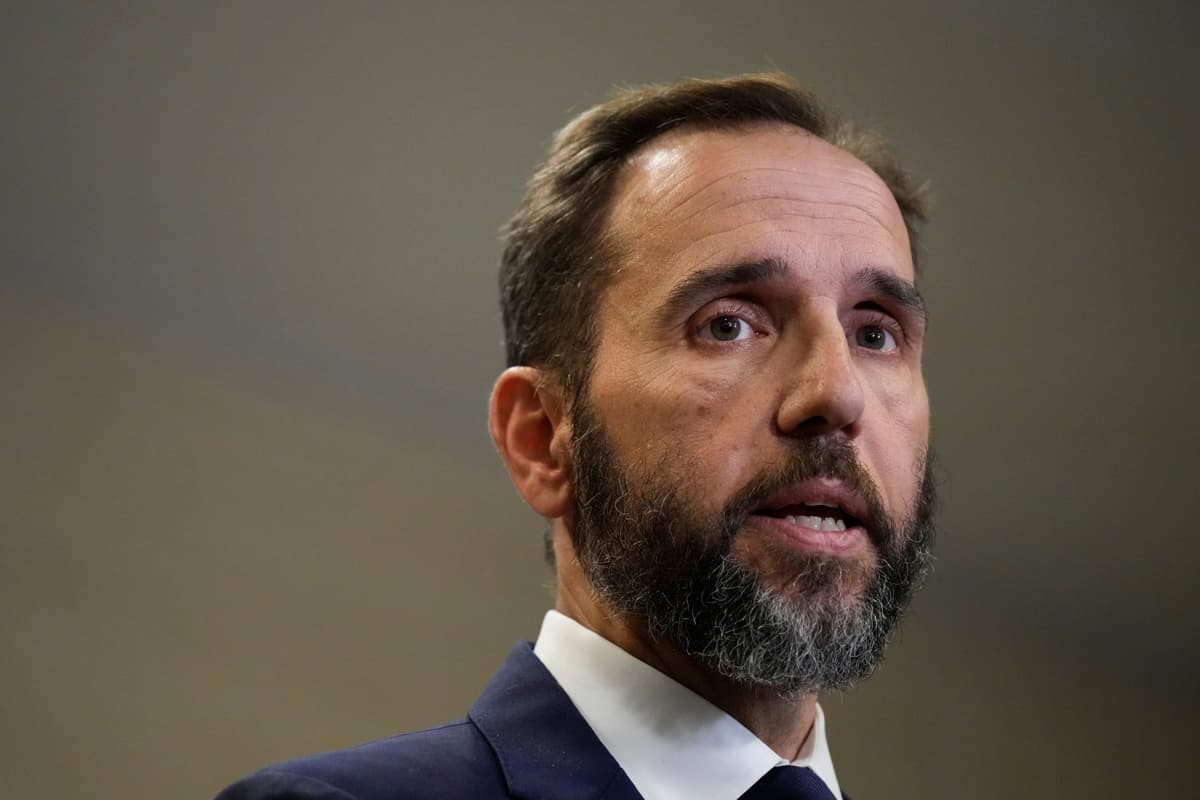

The issuance of a subpoena to Special Counsel Jack Smith from the chairman of the House Judiciary Committee, Congressman Jim Jordan, marks a sharp escalation in the imbroglio between the prosecutor and Republicans — one whose course is now more uncertain after an intervention from President Trump.
Mr. Jordan, in a letter to Mr. Smith that he also posted to X, declares that Mr. Smith must hand over materials to congressional investigators by December 12. A date of December 17 is set for a private deposition of the prosecutor who sought to convict Mr. Trump for election interference related to January 6 and the storage of secret documents at Mar-a-Lago.
Mr. Smith, in his own letter to congressional Republicans, has insisted that he is willing to speak under oath — but only if he speaks in a public forum and only if he is accorded immunity for his testimony. Mr. Trump, speaking to reporters on Wednesday, appeared to endorse that first condition. The president ventured “I’d rather see him testify publicly, because there’s no way he can answer the questions.” It is unclear how that desire will affect Mr. Jordan’s gambit on a private hearing.
Mr. Trump also reckoned with respect to the special counsel that “He’s a sick man. There’s something wrong with him. Actually, I think Jack Smith is a sick man. There’s something really wrong with him.” Mr. Smith’s lawyer, Peter Koski, underscored this point on Wednesday, issuing a statement that his client “offered to voluntarily appear before the House Judiciary committee in an open hearing to answer any questions lawmakers have about his investigation. We are disappointed that offer was rejected.”
Mr. Koski added that “Jack looks forward to meeting with the committee later this month to discuss his work and clarify the various misconceptions about his investigation.” If Mr. Smith does not heed Mr. Jordan’s subpoena, he risks prosecution for criminal contempt. That process requires a referral from Congress — where Republicans hang on to a majority — to the Department of Justice, led by Attorney General Bondi.
During the Biden administration two advisers to Mr. Trump, Stephen Bannon and Peter Navarro, both faced criminal contempt charges when they refused to testify before the House January 6 committee. Both men served for months prison sentences as a result of refusing to comply with the subpoenas. Congress’s power to subpoena flows from Article I Section 8 of the Constitution, which grants lawmakers powers that are “necessary and proper.”
Mr. Jordan’s letter to Mr. Smith asserts that the prosecutor “possesses information that is vital” to the committee’s oversight work. Last week Mr. Jordan issued a criminal referral to one of Mr. Smith’s deputies, Thomas Windom. The referral contended that “as senior assistant to Special Counsel Jack Smith, Windom possesses unique, firsthand information about the work of that Office. Yet, despite being given express authorization … Windom declined to answer questions.” Mr. Jordan accuses Mr. Windom of an “an intentional, corrupt effort” to frustrate his committee’s investigation.
Not all Republicans, though, agree with Mr. Smith — and now, Mr. Trump — that a public hearing is desirable. Senator Charles Grassley has called for more investigation before handing Mr. Smith a public pulpit. Congressman Jamie Raskin, who served on Mr. Jordan’s committee, asks in a statement published on Wednesday “What are our colleagues so afraid of, that they won’t let the American people hear directly from the Special Counsel?”
Tensions between Mr. Smith and lawmakers spiked following the disclosure that Mr. Smith had surveilled telephone metadata from 10 Republican Senators and one congressman as part of “Operation Arctic Frost,” his probe into Mr. Trump’s efforts to reverse the results of the 2020 election. In addition to securing warrants for that data, Mr. Smith also won non-disclosure agreements, meaning that the solons did not know they were being observed.
Mr. Grassley released emails that indicated that the DOJ warned that Mr. Smith was incurring a “litigation risk” by surveilling lawmakers, who enjoy absolute immunity with respect to their legislative activities. An effort to embed a provision into a Senate spending bill that would have created a private right of action to the tune of $500,000 for each occasion a senator was surveilled. That measure, though, was defeated in the House.

