Jack Smith, Under Dual Threats of Perjury and Contempt, Prepares To Face a Grilling Under Oath From Republicans
The special counsel and GOP lawmakers ready for a showdown conducted under oath.
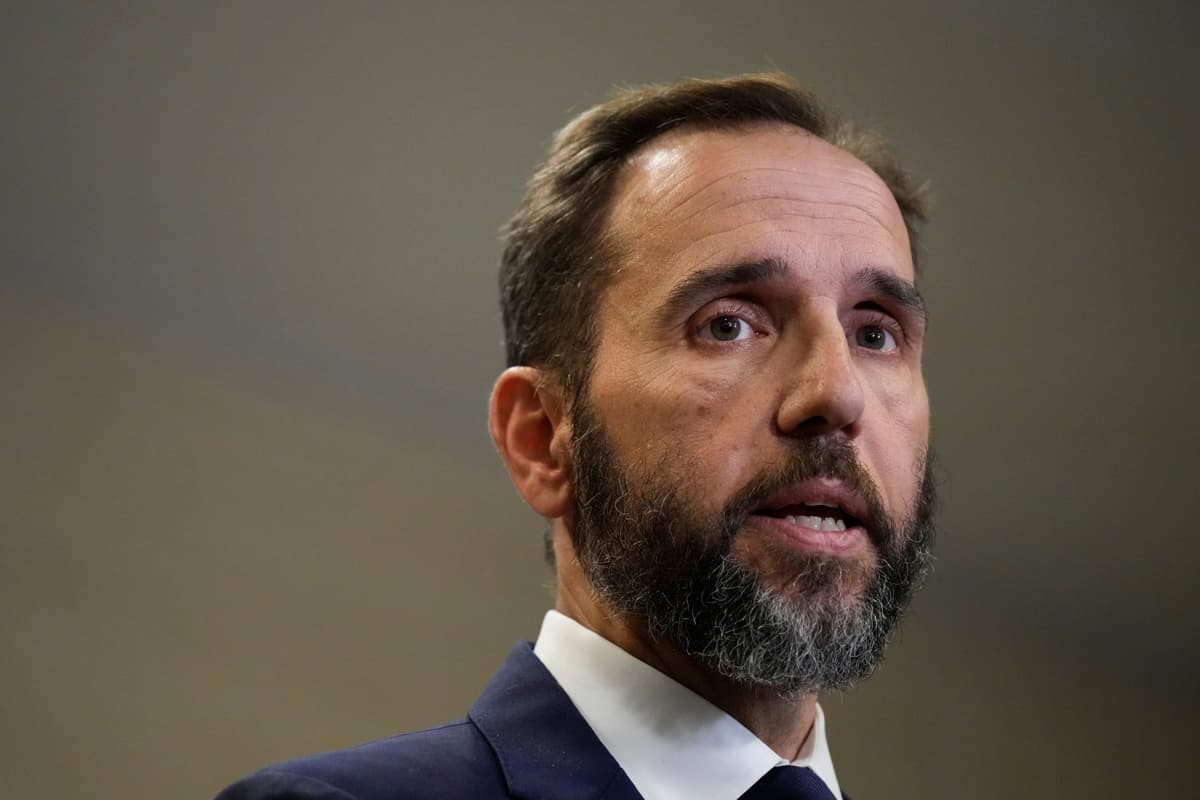

Special Counsel Jack Smith is set to testify under oath on Wednesday to House Republicans in a closed door session that raises the specter of risk for the prosecutor, whose conduct during his aggressive but ultimately failed effort to win a conviction of President Trump before the 2024 election is coming under increasing scrutiny.
Mr. Smith prosecuted President Trump for election interference connected to January 6 and for the storage of classified documents at Mar-a-Lago. His cases against the 45th president were dismissed when Mr. Trump defeated Vice President Kamala Harris to secure a second term. The Department of Justice has concluded that sitting presidents possess “categorical immunity” from prosecution.
The special counsel has been summoned by the chairman of the House Judiciary Committee, Congressman Jim Jordan. Mr. Smith’s position with respect to testimony had been that he would testify if he was granted immunity and the opportunity to testify in a public forum. Neither of those conditions appear to have been met, but Mr. Smith nevertheless has agreed to testify.
Mr. Smith recently incurred the rage of Congressional Republicans when it was recently exposed that, as special counsel, he had secretly surveilled eight GOP senators and one GOP representative — all staunch Trump supporters — by pulling their phone records from the days on or around January 6, 2021.
Mr. Smith’s turn to speak under oath comes on the heels of House Republicans making a criminal referral of one one of his top deputies, Thomas Windom, to the Justice Department for prosecution. Mr. Windom was also subpoenaed by Mr. Jordan but refused to answer questions to the satisfaction of the lawmaker from Ohio or the other congressional inquisitors.
Messrs. Smith and Windom, along with some other exiles from the DOJ, announced last week that they are launching a new boutique law firm that will be defined by “zealous advocacy.”
The Constitution grants Congress the power to subpoena as part of the investigations it is entitled to conduct as part of its lawmaking power. The power to prosecute, though, belongs exclusively to the Executive Branch. That means that the decision to bring a case will be made by Attorney General Pam Bondi. She pursued charges after criminal referrals were filed against two other critics of Mr. Trump — New York’s attorney general, Letitia James and the former director of the FBI, James Comey.
Mr. Comey was charged with lying to Congress for testimony he delivered to Congress in 2020 about leaks concerning Russia interference in the 2016 election. That case, though, was dismissed last month when a judge ruled the prosecutor in charge of the case, Lindsey Halligan, was unlawfully appointed.
Mr. Smith’s decision to testify was probably informed by the four months spent in prison by two advisers to Mr. Trump — Peter Navarro and Stephen Bannon. Both refused to testify when summoned by the Democrat-controlled House January 6 committee, which referred them to President Biden’s obliging Department of Justice for prosecution. Mr. Navarro, now back at the White House, was 74 when he was incarcerated.
What Mr. Smith shares in his deposition could be affected by an ongoing debate over the fate of his final report in the Mar-a-Lago case. That dossier details the failed prosecution that some observers considered to be the strongest of the four criminal cases levied against Mr. Trump. The report has been kept under seal by Judge Aileen Cannon of South Florida, who presided over that case. She reasoned that releasing it could harm the due process rights of Mr. Trump and his co-defendants and employees, Waltine Nauta and Carlos De Oliveira. The case was dismissed “without prejudice,” meaning that it could be revived.
Two organizations — the Knight First Amendment Institute at Columbia University and American Oversight — have filed suit to force the publication of the report. Their push was endorsed last week by Democrats in the House of Representatives, who in a statement declares that the “campaign to bury Mr. Smith’s report makes a joke” of Mr. Trump’s claim that he is “the most transparent and accessible president in American history.”
Judge Cannon, who was appointed to the federal bench by Mr. Trump in 2020, has granted his request to intervene in the case, in a personal rather than an official capacity, as an amicus curiae. Mr. Trump wants the report kept under lock and key, though the special counsel regulations assign to the attorney general the task of deciding whether “public release of these reports would be in the public interest.”
President Biden’s attorney general, Merrick Garland, greenlit the publication of Mr. Smith’s January 6 report, where the special counsel insists that he could have convicted Mr. Trump “but for” the outcome of the 2024 election. The 11th United States Appeals Circuit, which oversees Judge Cannon, chided her for “undue delay” and imposed a 60-day deadline for her to make a final decision on the release of the report. The deadline expires in early January.
Mr. Smith could use the report’s legal limbo to demur from answering questions about, say, the August 2022 search of Mar-a-Lago that was conducted as part of that case and which, enraged Mr. Trump. The special counsel is likely to face tough questions, though, about his surveillance of the phone records of the Republican lawmakers .

