Michael and Susan Dell Tee Up $6.25 Billion Donation To Help Fund Trump Accounts for 25 Million Children
The entrepreneur’s pledge will cover 25 million children in ZIP codes with median incomes under $150,000.
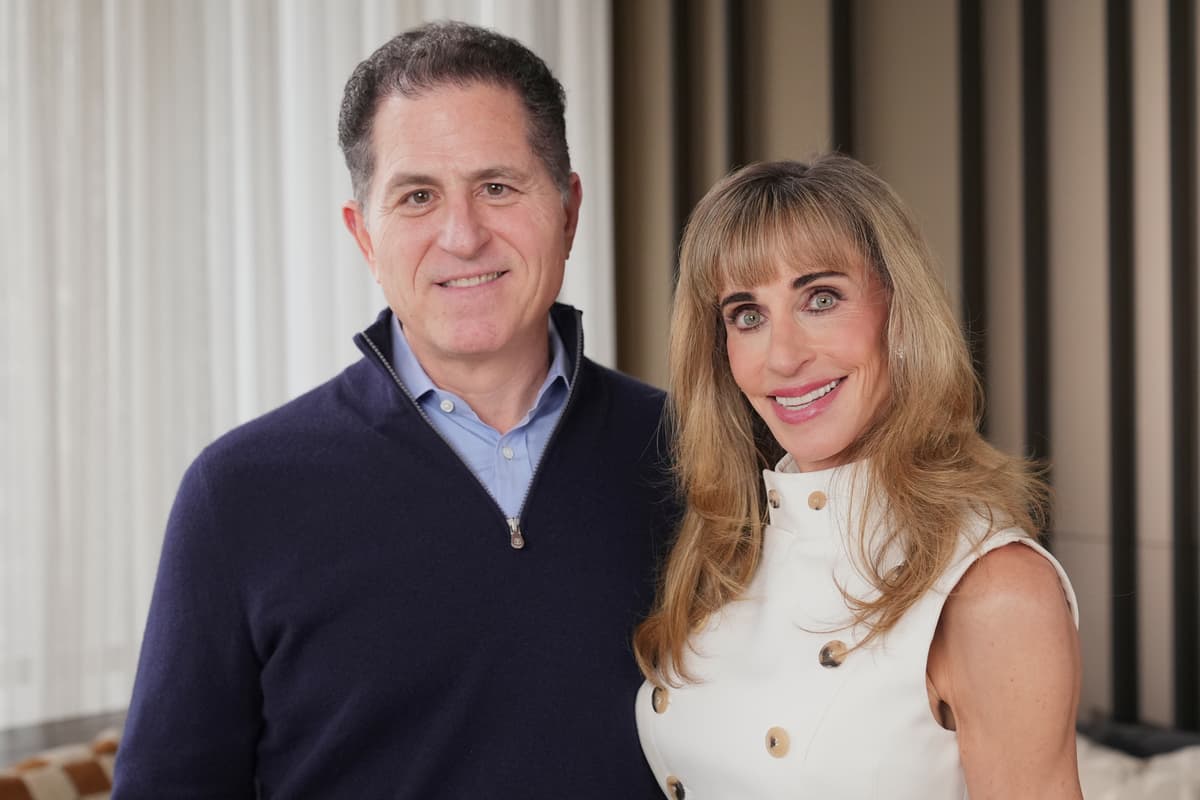

Michael and Susan Dell pledged $6.25 billion Tuesday to create investment accounts for 25 million American children — the largest private commitment to youth savings accounts in American history.
The donation is being touted as the largest ever earmarked for American children and goes hand-in-hand with a new federal program launching July 4, 2026, that lets parents open tax-advantaged investment accounts for children under 18.
Every baby born in America between 2025 and 2028 will receive a $1,000 federal grant to seed what has been dubbed “Trump accounts,” though the IRS has yet to issue formal guidance on the program.
“It’s designed to help families feel supported from the start and encourage them to keep saving as their children grow,” Mr. Dell, the founder and CEO of Dell Technologies, said in an interview with CNBC. “We know that when children have accounts like this, they’re much more likely to graduate from high school, from college, buy a home, start a business, and less likely to be incarcerated.”
The Dells said they will seed Trump accounts with $250 for children who are 10 or under and born before January 1, 2025, the qualifying date for the federal program, bringing the starting amount of the accounts to a total of $1,250.
According to Invest America, a nonprofit advocacy group that has partnered with the philanthropic couple, the pledged funds will cover a total 25 million children in ZIP codes where the median annual income is $150,000 or less .
“It’s designed to help families feel supported from the start and encourage them to keep saving as their children grow,” Mr. Dell said.
A $250 investment in the S&P 500 in early 2000 would have a nominal return in 2025 of over 600%, with a lump-sum value of approximately $1,780 after 25 years.
His company, Dell Technologies, has also pledged to match the federal grants deposited into the accounts for new children of their employees.
“It would have been impractical, or maybe even impossible, to impact this many kids in this way without such a program,” Mr. Dell said. “What we hope is that every child sees a future worth saving for it,” he added.
“You think about the compounding effect of a program like this in 10, 20, 30 years on millions of children. That’s what gets us excited.”

