New ‘Driveway Tax’ in Britain Could Make Gas-Powered Cars Cheaper To Operate Than EVs
The new tax — a harbinger, perhaps, of things to come in America — is intended to replace lost revenue from fuel duty as more drivers switch to electric.
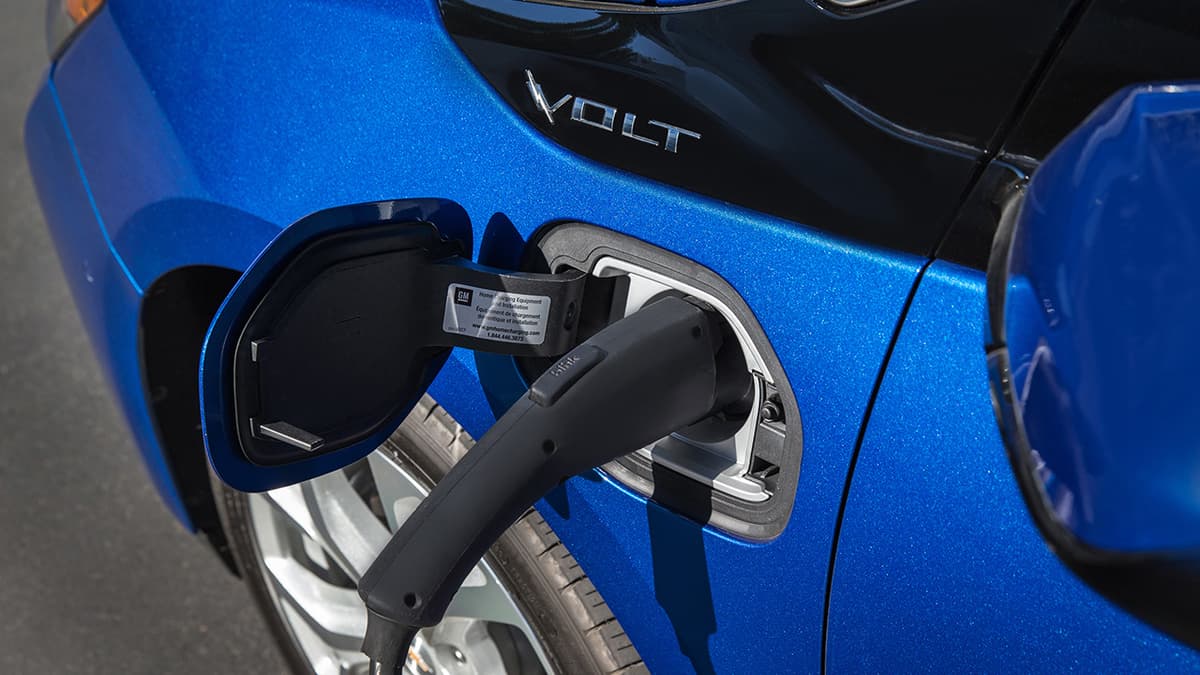

A new pay-per-mile tax proposed by Britain’s Chancellor of the Exchequer Rachel Reeves could make gas-powered cars cheaper to run than electric vehicles for drivers who cannot charge their cars at home and could be a harbinger of what’s to come in America as states scramble to fill gas tax shortfalls.
Car owners who rely on public chargers could pay an estimated $390 more per year in running costs and taxes for their EVs compared to a gasoline-powered alternative, according to analysis from the electric car advice site Electrifying.com, The Telegraph reports.
This has led to the new levy being dubbed a “driveway tax,” as home charging becomes a critical factor in the affordability of electric cars.
The new tax, intended to replace lost revenue from fuel duty as more drivers switch to electric, is set to be introduced after a consultation period. The Treasury plans to implement the scheme by 2028, by which time up to six million people are expected to be driving EVs.
However, the move has sparked concern that it could slow the transition to electric vehicles. Automobile Association president Edmund King warned the government must be cautious with the new tax.
“Whilst we acknowledge the Treasury is losing fuel duty revenue as drivers go electric, the Government has to tread carefully unless their actions slow down the transition to EVs… We need to see the detail of this proposal to ascertain whether these new taxes will be equitable or a poll tax on wheels,” he told the Telegraph.
Under the proposed plan, a 3p-per-mile levy (a pence equals about 1.3 cents) will be applied to electric vehicles starting in 2028. This means an average driver could face an extra £250 per year in taxes. The scheme would align with the annual payment of vehicle excise duty, which EV drivers have been required to pay since April. EV owners will be asked to estimate their annual mileage and pay a corresponding fee.
“If you can plug in at home, especially on a cheap overnight tariff, the savings stack up fast. The drivers at risk are those who rely on public chargers — estimated to be one in four license holders — who now face paying more per mile than a fuel-efficient petrol car,” chief executive of Electrifying.com Ginny Buckley told the Telegraph.
“We want that disparity front and center in the pay-per-mile consultation — because the switch has to be fair to everyone, not just those with driveways,” she added.
Despite the tax concerns, the UK’s EV charging infrastructure continues to expand. The network grew by 23 percent in the last year, adding more than 15,000 new chargers and bringing the total to 86,021 across Britain, according to figures released on October 30.
States in America are also facing shortfalls from dwindling gas taxes as more drivers opt for electric vehicles. To make up for the lost revenue, some states are finding inventive ways to collect more money.
Owners of electric cars in Vermont, for instance, have been notified that come January 1, they will have to pay $178 a year to register their cars, twice as much as owners of gas-powered vehicles. Thirty-nine other states charge similar annual fees, according to the National Conference of State Legislatures.
In an odd twist, some of the states with the highest electric vehicle fees usually elect Republicans, like Ohio, Texas, and Wyoming. All three charge $200 a year in addition to the state’s baseline registration fee.

