The Economic Illiteracy of Mikie Sherrill and Zohran Mamdani
When goods are priced at less than their cost, someone must pay somehow.
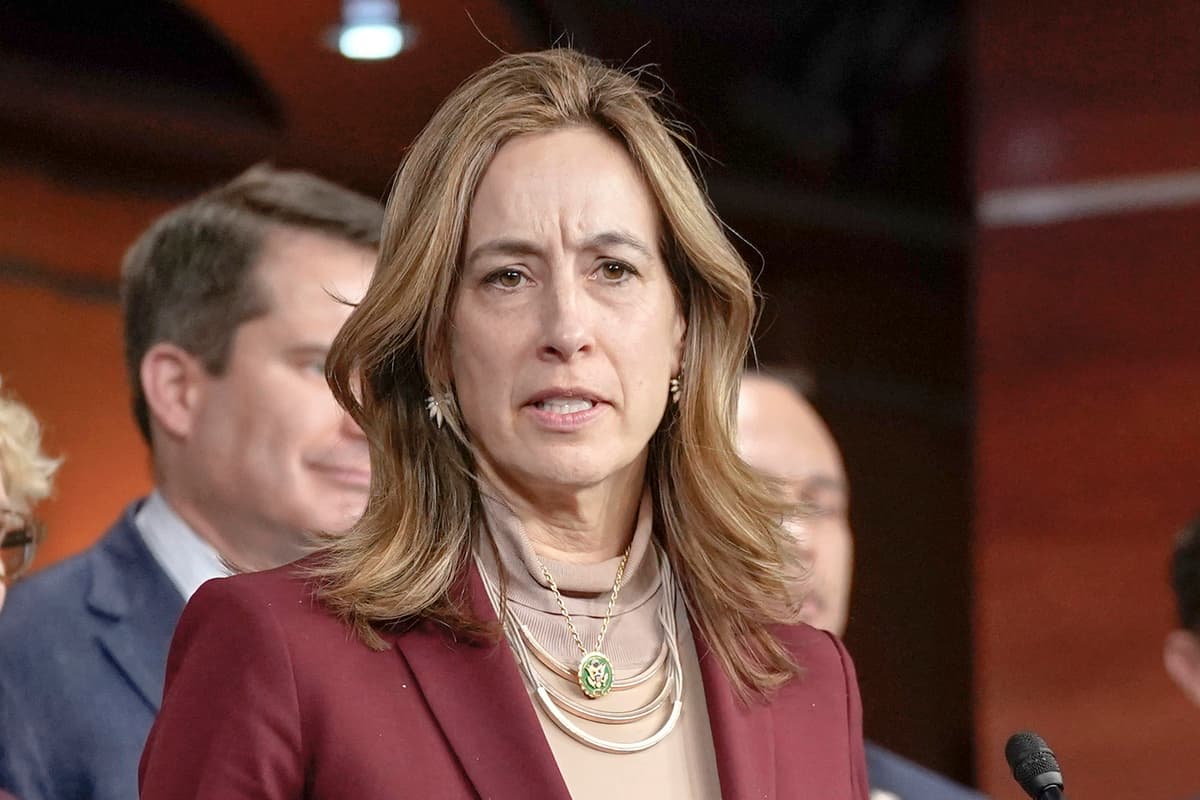

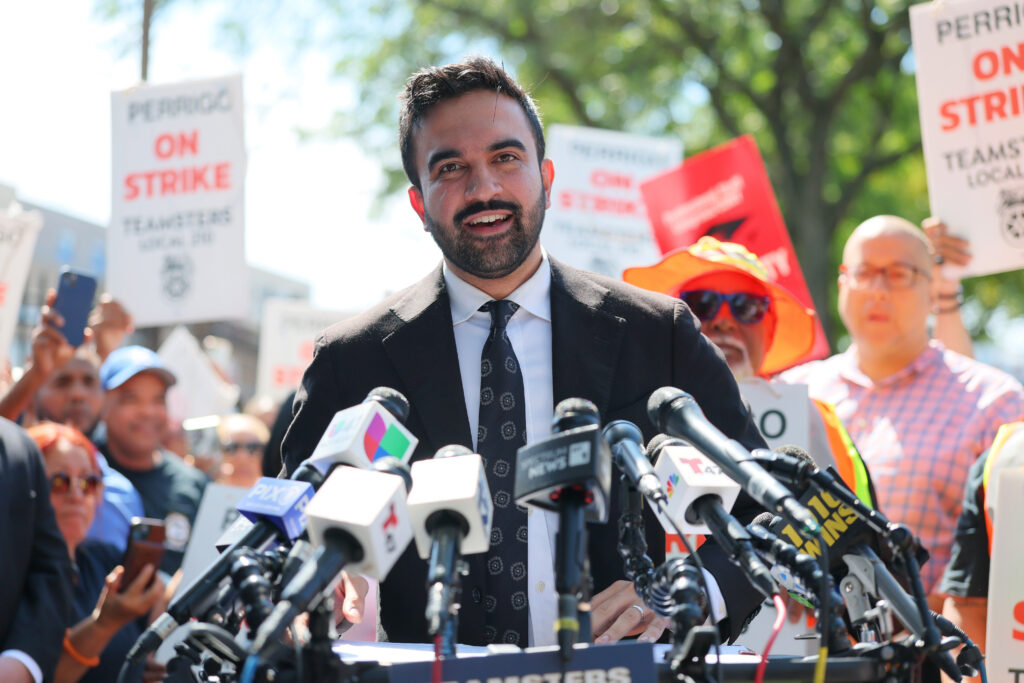
The centerpiece of the campaign of the New Jersey Democratic gubernatorial candidate, Mikie Sherill, is her promise to “declare a state of emergency on utility costs and freeze your utility rates” on her first day in office. It’s an alluring pledge, akin to Zohran Mamdani’s pledge to “freeze your rent” for a million New York City rent-regulated tenants.
As with the property owners in New York who will suffer from a rent freeze, though, there will be hidden losers of a utility rate freeze, as well: The owner/shareholders of New Jersey’s four electric utilities. The value of their shares and dividends would inevitably decline if a tourniquet were put on utility revenue.
A reminder to Ms. Sherill: the utilities are not owned by Daddy Warbucks, John D. Rockefeller, or even Elon Musk. Instead, these are regulated public utilities whose rates are set by the New Jersey Board of Public Utilities based on the costs of purchasing and transmitting electricity.
The value of their shares and the dividends they pay accrue to the benefit of an uncountable number of household investors, including many who undoubtedly live in New Jersey.
Consider who the “owners” are of the Public Service Enterprise Group, the state’s largest electric utility. The largest shareholder is not an individual but Vanguard, which includes PSEG shares in its mutual funds because they are a classic “widow and orphans” stock, providing reliable if unspectacular dividends and a stable share price. Both would be threatened by a rate freeze. The other major shareholders are similar: the world’s largest asset manager, BlackRock, and State Street Investment.
The clients of these firms include, of course, many small individual investors. Yet they also include pension funds, including those of public employees. Perhaps Ms. Sherill doesn’t mind endangering the pensions of Ohio state employees, whose funds are managed by Vanguard.
Yet it’s doubtful that she’s considered who the losers would be among the 1,600 institutional investors whose funds are invested in PSEG. One might well expect these include many Garden State local government pension funds, drawn to a reliable home state investment.
Nor has she apparently considered how the costs of investing in desperately needed new power generation would be supported — except by tanking the current $2.52 per share annual PSEG dividend. Would she protest in the event that the state’s four utilities announce they are freezing dividends? Not likely.
Attacks on public corporations as redoubts of the ultra-rich who fail to pay their “fair share” in corporate taxes, or who should be punished for “price-gouging” is driven by the same faulty logic that motivates state lawsuits asserting that Exxon should be financially punished for climate change.
As with New Jersey utilities, Vanguard, BlackRock, and State Street are the major “owners” of Exxon. In other words, they are investing in a profitable company on behalf of an army of individuals, pension funds, university endowments and government employees.
It is these investors who would be punished in the unlikely event that Exxon were found culpable of causing global warming. John D. Rockefeller is no longer the owner; indeed, the Rockefeller Foundation has divested from fossil fuel firms.
Both Ms. Sherill’s rate freeze, and Mr. Mamdani’s rent freeze can be categorized as Leftist quasi-populist policies based on economic illiteracy. When goods are priced at less than their cost, someone must pay somehow.
The price may be paid by tenants whose buildings fall into disrepair when rent revenues can’t cover maintenance. Or it may be paid by retirees whose 401k balances decline, just as they’re facing Required Minimum Distributions, per tax law.
Either way, the public allegedly protected will, instead, suffer. It’s something for New Jersey — and New York City — voters to consider as they cast their ballots for governor.

