The New ‘New Colossus’
A new conversation about the scope of immigration is beginning in America.

President Trump’s cabinet meeting on Tuesday signaled a vibe shift on immigration that the administration has been building toward since news broke of the shooting on November 26 of two national guardsmen by an Afghan asylee and since disclosures about the scope of the Minnesota Somali community’s $1 billion fraud network made national headlines. The country is being readied for more than just deportation of “the worst of the worst” of the illegal population.
We are beginning a clear-eyed conversation about all immigration. President Trump can’t get either political party to fix our broken immigration system, but he can address the broken immigration narrative in America — one which has for decades been shaped by the lines of a poem and by identity politics and has allowed empathy and race to drive public opinion.
Those sensitivities have made it difficult not just to talk about deporting illegals but to set conditions for legal immigration that prioritize the net benefit to the country, without being labeled a soulless monster. Mr. Trump seems less sensitive to that label, perhaps because he has already been called worse.
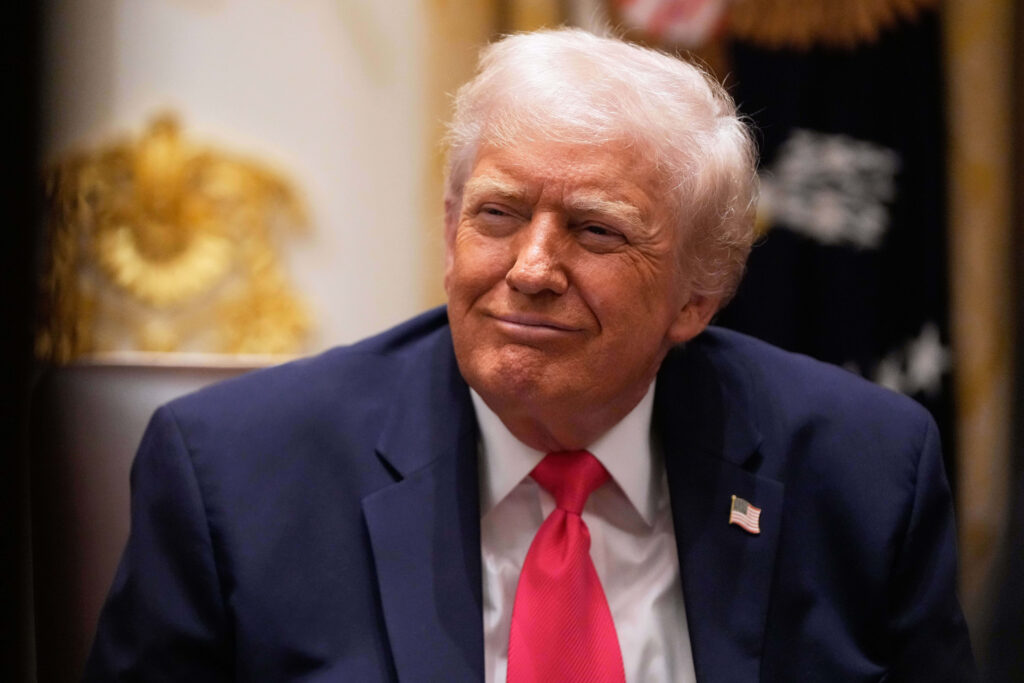
The president closed his cabinet meeting by telling those who came to this country to take advantage of its generosity to “go back to where they came from.” In a widely scrutinized Truth Social post last week Mr. Trump wrote that he intends to “permanently pause migration from all Third World Countries to allow our system to fully recover” and “remove anyone who is not a net asset to the United States, or is incapable of loving our Country…and deport any Foreign National who is a public charge, security risk, or non-compatible with Western Civilization.”
This is language we haven’t heard from most Republican and Democrat officials, who tend to wax poetic about immigrants being the “fabric” of our society. While the pearl-clutching pundit class gasped in horror at the “Third World” label and at the idea that people from those places may not be compatible with our civilization, the president pressed on. “We’re going to lose this country if we keep taking in garbage,” he said.
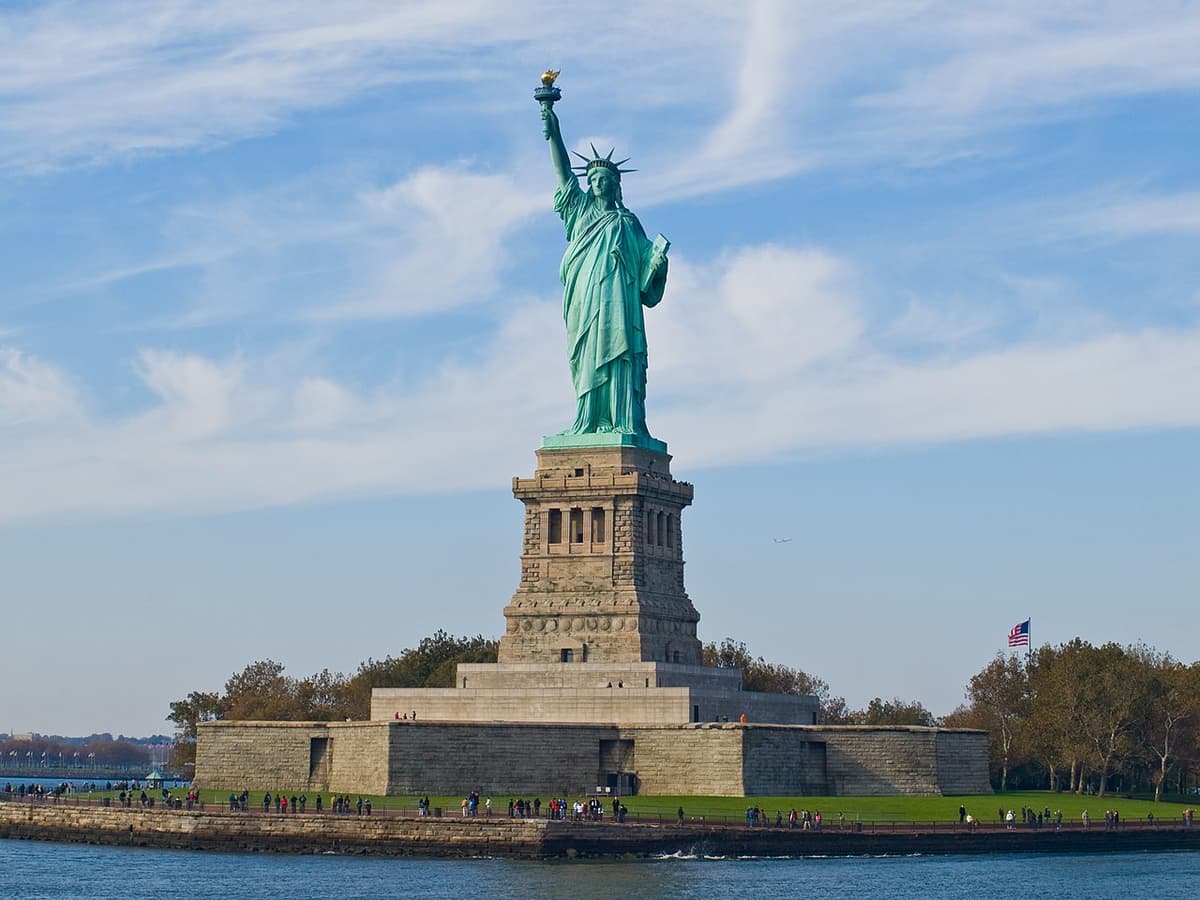
His words are crude, and stand in stark contrast to those in Emma Lazarus’s 19th-century poem etched onto a plaque at the base of the Statue of Liberty. “The New Colossus” has taken on American “gospel” status on the subject of immigration: “Give me your tired, your poor, your huddled masses yearning to breathe free” is likely a line more familiar to the majority of Eighth graders in the United States than the first line of the Constitution. Lazarus didn’t just create a poem — she created a story. It is a story about America’s role in the world as the attendant at the large golden door of human liberty, liberally swung open to every noble immigrant across the globe striving for a better life.

The story lived (and lives still) in the American imagination, no matter the reality. Perhaps the president’s verbal frying pan to the head of the American citizen is meant to shock the system which converted Lazarus’s poem into an entire nation’s worldview that hasn’t been challenged in 120 years. After all, a 20-year-old in uniform was just executed in the nation’s capitol to the cry of “Allahu Akbar.” Somali mothers in Minnesota have been scamming state autism services so they could cash in on American kindness while local politicians prioritized their next election and turned a blind eye. Not everyone from somewhere else who wants to come to America is noble.
The impulse to empathy is noble — but not always ennobling to the host country and that is Mr. Trump’s point. Any serious immigration system is a system of some measure of discrimination by definition. Not everyone can move to Michigan, even if they are good and decent people. Consideration of immigration status should not be based solely on compassion for the immigrant, or the idea of him. Consideration for the health of the host country deserves to be priority number one.
The president said he wants to keep out those “non-compatible with Western Civilization” and denaturalize those “who undermine domestic tranquility.” These are vague and subjective phrases that likely make the hairs on legal scholars’ necks stand up, and confound those who insist that Western Civilization is the problem in the first place. Many Americans who don’t have law degrees or abiding self-loathing understand exactly their meaning.
They don’t want local majorities adopting Sharia laws that supersede or conflict with secular laws in their communities. They take pride in the American work ethic and recoil at the idea of importing populations who are indefinitely dependent on social service programs. They reject the notion that English should be a second language in any American public school.
They want the philosophical framework of the nation to remain anchored in the Hebrew bible and New Testament values and Enlightenment ideals, and the 250 years of the country’s history to be respected. They have the right to wonder if unfettered and unregulated immigration might make a dent in more than their society’s housing market.

Not according to a Democratic senator, Mark Kelly. He thinks those Americans must be racists. “I take that as a message,” he remarked of the Trump administration’s reference to pausing immigration from 19 “Third World” countries, “that they don’t want brown people coming to the United States.” Mr. Kelly seems incapable of imagining any definition of American culture that isn’t wrapped in the language of skin color.
Mr. Trump isn’t speaking in a DEI dialect. He has changed the conversation from race to cultural identity, insisting, to the outrage of many, that America actually has one worth preserving. Anyone, of any race, religion or ancestry can, has, and does participate in it, but not everyone from every culture can or should. Some societies’ practices are incompatible with America’s. Some immigrants do come here determined to remake their new home into the image of their old one. We should be able to screen for them.
The gift Emma Lazarus gave us in “The New Colossus” was a reminder that American immigration policy should never overlook the “wretched refuse” of the world or their potential to contribute greatly to American life. The gift Mr. Trump gives us now is the reminder that American life is worth contributing to, and we should welcome only those who feel the same way, whatever they look like and wherever they come from. That’s the new colossal immigration conversation we are about to have in this country and it’s about time.

