Ukraine Plans To Play the European Card in Peace Talks With Russia and America
A counter proposal to the Trump administration’s Russian-American plan is being forged this weekend
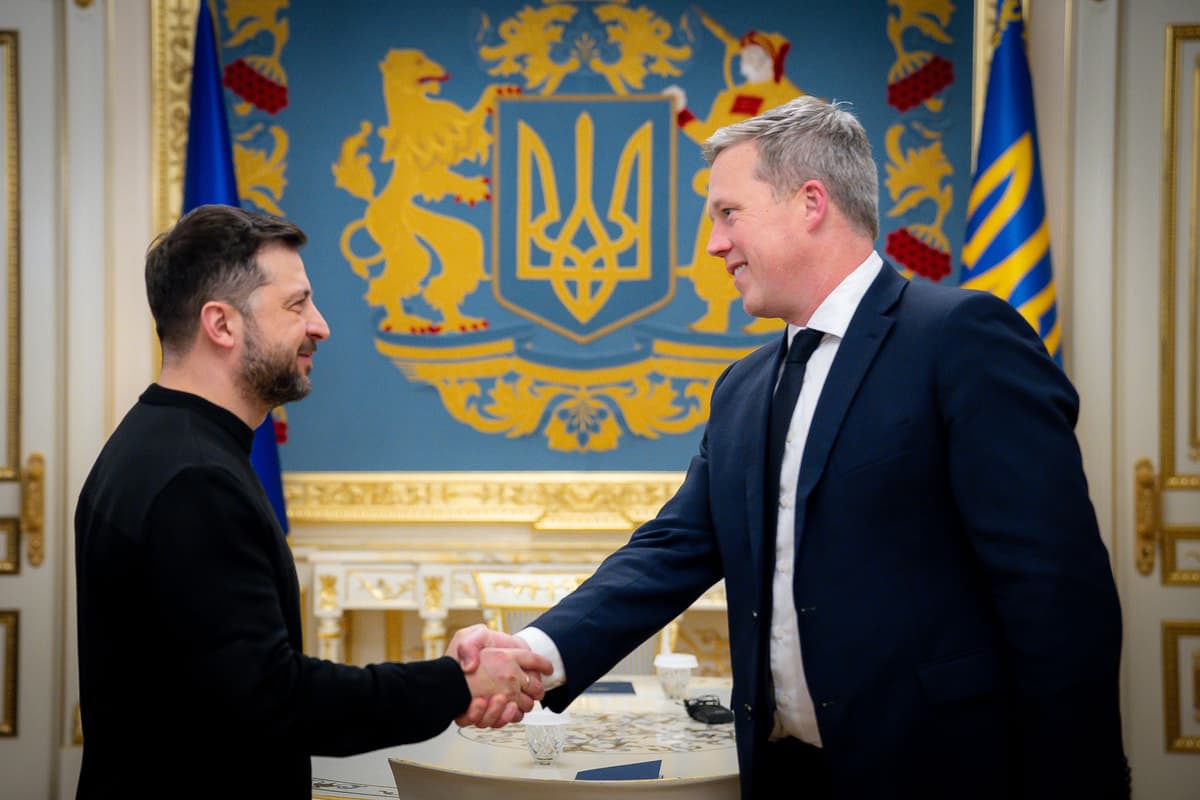

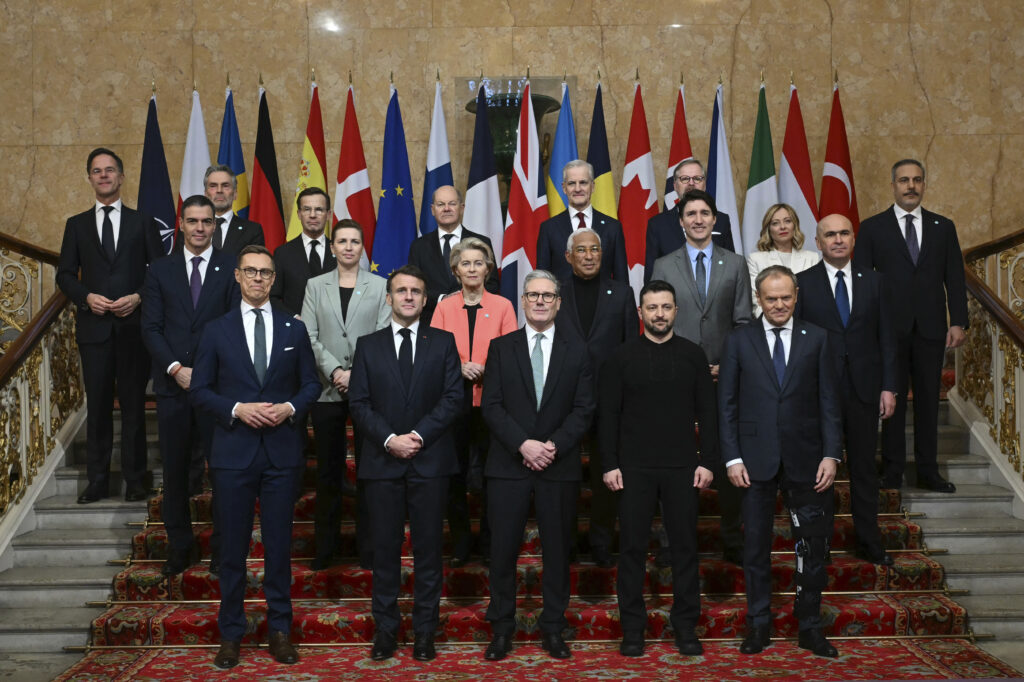
Responding to the Trump administration’s peace plan for Ukraine, the leaders of 11 European nations and the European Union met today on the margins of the G20 summit at Johannesburg to forge a counterproposal. Urgency came after President Trump set a Thanksgiving deadline for Ukraine to accept his proposal, elaborated at Miami by Russian and American envoys.
Briefing reporters in Washington, Trump officials have said they don’t care about Europe’s buy-in. Reuters reports that Washington may pressure Ukraine by cutting off American aid and intelligence sharing. Last night, US Vice President Vance, a long-time Ukraine critic, posted on X: “There is a fantasy that if we just give more money, more weapons, or more sanctions, victory is at hand.”
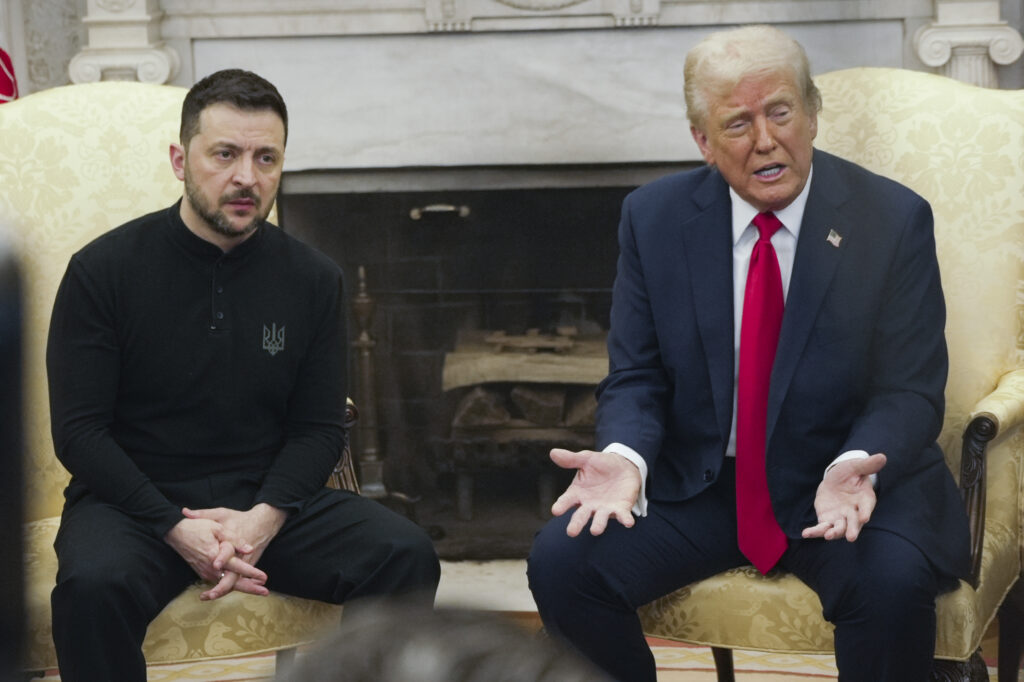
Just yesterday, Mr. Trump reminded reporters of what he told President Volodymyr Zelensky last February: “You don’t have the cards.” Nine months later, though, Mr. Trump may no longer have the cards. This year, new American military aid to Ukraine has dwindled to near zero. Now almost all the military aid comes from Europe.
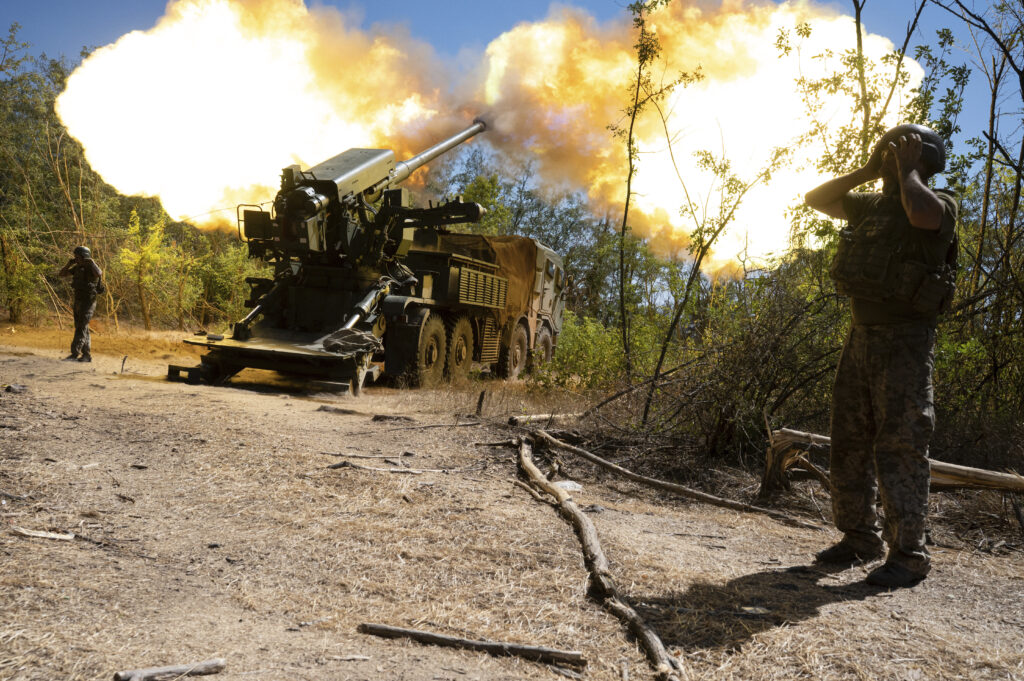
While Washington weighs allowing Ukraine to buy American long-range Tomahawk missiles, Ukraine is producing its own local equivalent, the Flamingo. Without the benefit of American intelligence, Ukrainian rockets now hit Russian oil refineries, depots and export terminals on a daily basis. As a legacy of a common Soviet past, Ukrainians know better than the CIA where are the weak points in Russia’s energy infrastructure.
Three years ago, Elon Musk ordered SpaceX to suspend Starlink internet service to parts of Ukraine during a military offensive. Since then, Ukraine’s military has developed contingency plans if the plug is pulled again. As Ukrainian drones replace American artillery shells, roles are reversed: Ukrainians now are the teachers and suppliers for America.
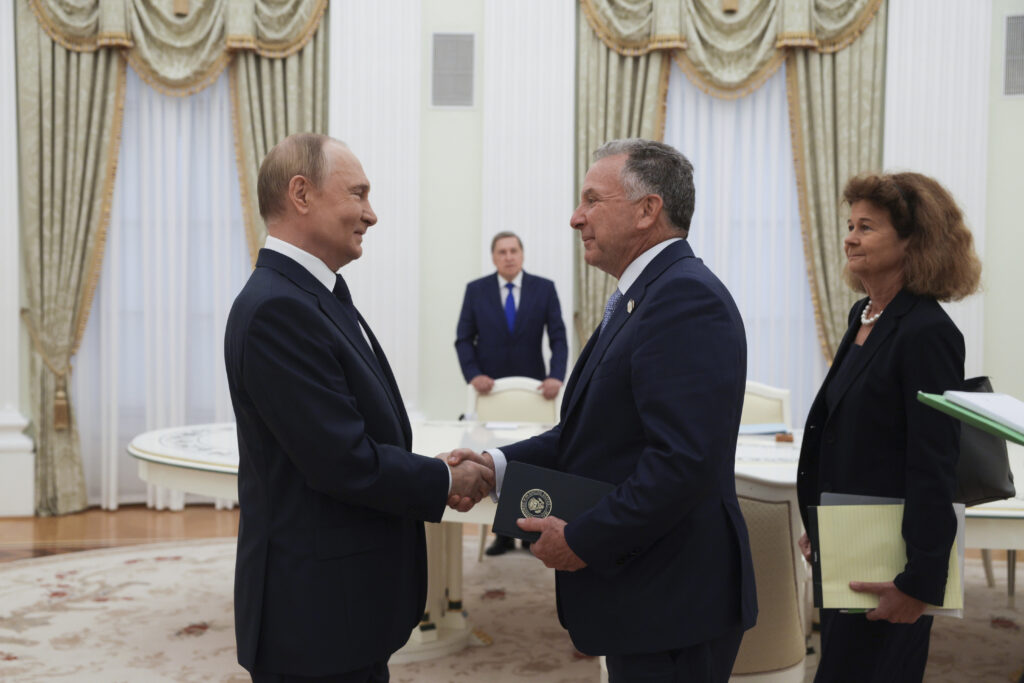
Partly as a result of Mr. Trump’s preaching, European nations now take to heart the need to defend themselves. Ukraine may be distant to many Americans, but it is the front line to many Europeans. As a result, today’s meeting is expected to yield a united front of politely worded skepticism about the peace plan elaborated in Miami by Steven Witkoff for the United States and Kirill Dmitriev for Russia.
While Mr. Trump wants Ukraine to sign by Thursday, the peace proposal may just be the start of months of negotiations. “When it comes to peace, all the negotiations should include Ukraine,” Prime Minister Donald Tusk of Poland said yesterday “Nothing about Ukraine without Ukraine.” The European Union’s top diplomat, Kaja Kallas, told reporters: “For any plan to work, you need Ukrainians and Europeans on board. This is very clear.”
“Peace cannot be a capitulation,” France’s foreign minister, Jean-Noel Barrot, said after the 28-point proposal leaked out. His German counterpart, Johann Wadephul, drily described the document as “a list of topics for discussion.” He added: “We are not arbitrators here, but defenders of Ukraine, because Ukraine is defending its own freedom and the freedom of Europe.”
His boss, Chancellor Friedrich Merz, said yesterday after an initial consultation with other European leaders: “Ukraine can count on us.” Together with French president, Emmanuel Macron, and Prime Minister Keir Starmer of Britain, Herr Merz said, he “reaffirmed our full support to Zelensky…the current contact line must remain the foundation for any negotiations.”
Under the Trump proposal, a series of land swaps would net Russia an additional 888 square miles of Ukrainian land, about half the size of Rhode Island. The deal calls for Ukraine to surrender a line of “fortress cities’ in Donetsk province. Three years ago, President Vladimir Putin declared Russian sovereignty over Donetsk. But, since then, his troops have been unable to conquer a remaining 30 percent of the region.
After 18 months of attacks, Russian soldiers seem close to taking one “fortress city” — Pokrovsk. Last month, a survey by the Kyiv International Institute for Sociology found that 71 percent of Ukrainians opposed transferring territory that Ukraine controls to Russia.
Money is a big bone of contention. After Mr. Putin launched his full-scale invasion of Ukraine in February 2022, about $250 billion in Russian reserves were frozen internationally, largely in Europe. Now, Mr. Trump proposes splitting this money into two funds — a $100 billion U.S.-Ukraine reconstruction fund and a $150 billion US-Russia investment fund. America would get half of all profits from the two funds.
The European Union would add $100 billion to the Ukraine reconstruction fund. The Europeans have other plans for this huge amount of money. They want it to serve as collateral for a Russian “reparations” loan to Ukraine. With Ukraine facing huge borrowing needs, such a loan could avoid a huge fiscal train wreck and alleviate the need for Europe to come up with the money.
The Trump peace proposal also entails Ukraine cutting its military by about one third, to 600,000 soldiers, rules out Ukraine ever joining the North Atlantic Treaty and vetoes British and French plans to post NATO nation troops in Ukraine. Security guarantees, a core Kyiv demand, are dealt with in one vague sentence: “Ukraine will receive robust security guarantees.”
Mr. Zelensky is expected to be publicly diplomatic, seeking to keep relations on an even keel with the Trump Administration. Fresh from a European tour last week, he is expected to play the European card. Yesterday, in a national address, he said: “We are counting on European friends who understand that Russia is not far away, that it is near the borders of the EU, that Ukraine is now the only shield separating comfortable European life from Putin’s plans.”
Blunt social media postings give insight into what many Ukrainians really think. “Zelensky will talk to Trump but everyone already knows what’s the outcome: Zelensky will not accept the ridiculous proposal,”posted Noel Reports, a widely followed Ukrainian X feed on the war. “Cheeseburger-eating surrender monkeys Call it what it is: betrayal.”
Ukrainian journalist Illia Ponomarenko posts that today’s arm twisting reminds him of the high pressure tactics used last winter to get Ukraine to sign away huge mineral rights to America:
“First they threaten you, issue ultimatums, grab you by the throat, throw hysterics with foam at the mouth, put on demagogic performances on social media…, demanding you sign it right here and now — or else death, defeat, national collapse, war lost and the country gone this very minute,” he posted on X. “Then, as the talks drag on, it slowly turns into a meaningless memorandum that binds no one to anything. In the end it becomes a nothingburger.”
In the U.S. Senate yesterday, Republican skepticism was politer. “This so-called ‘peace plan’ has real problems, and I am highly skeptical it will achieve peace,” said Senator Roger Wicker, the Republican chairman of the Senate Armed Services Committee, said in a statement “Ukraine should not be forced to give up its lands to one of the world’s most flagrant war criminals in Vladimir Putin.”
Senator Mitch McConnell, head of the Senate’s Defense Appropriations panel, said in another statement: “If Administration officials are more concerned with appeasing Putin than securing real peace, then the President ought to find new advisors.”

